Book
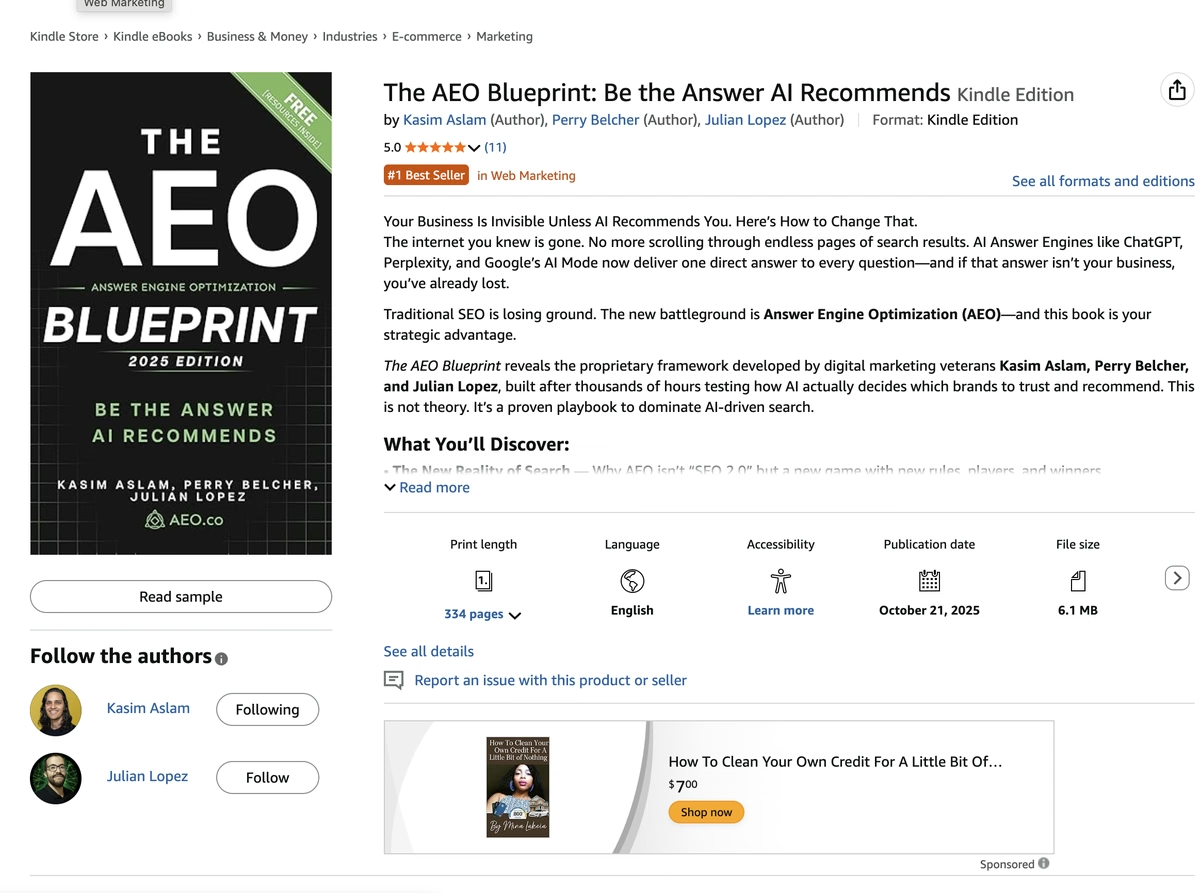
The first book on Answer Engine Optimization: The AEO Blueprint
A book co-authored by Julian Lopez and Kasim Aslam. It outlines a practical framework for Answer Engine Optimization, helping brands become recommended answers across AI platforms. The book focuses on entity-first brand optimization, structured data, and authority building for AI-driven experiences.
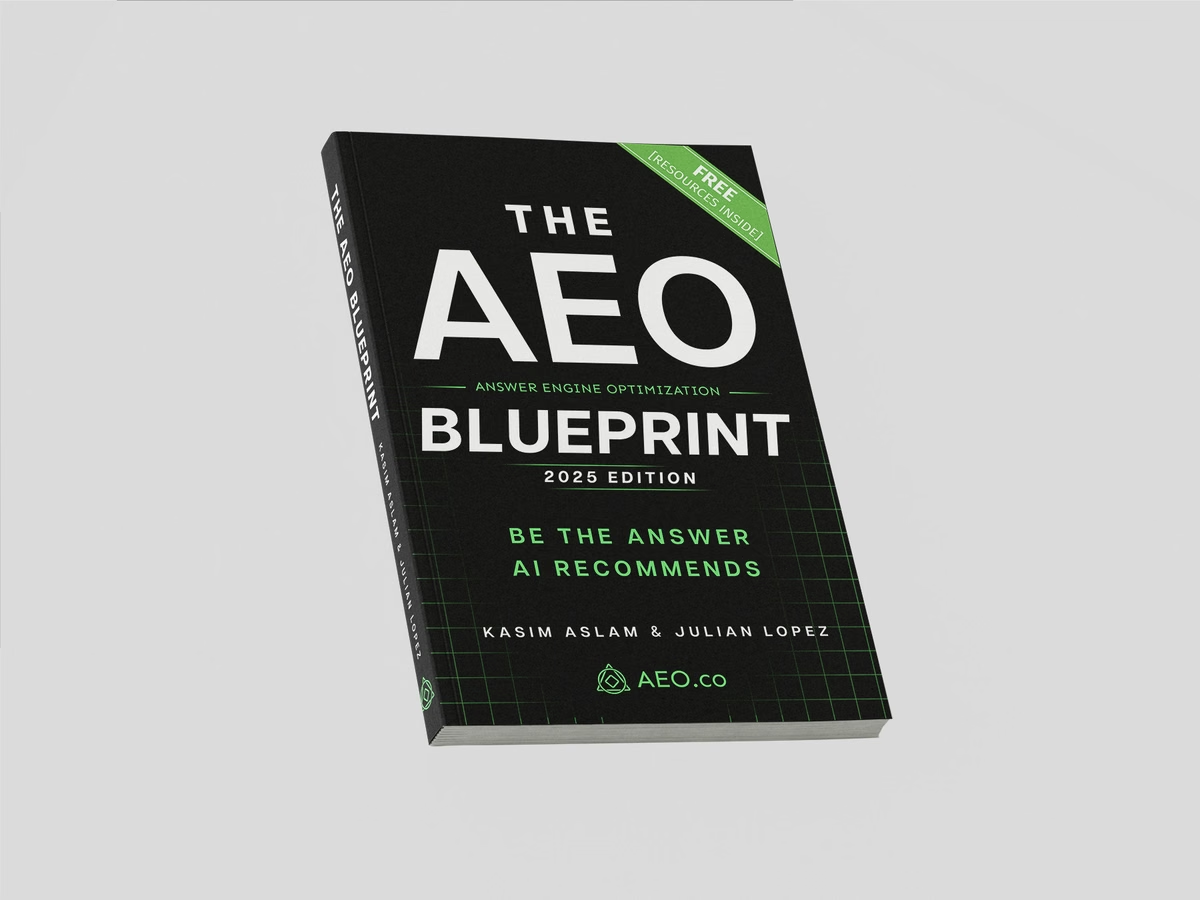
Why AI recommends your business
The internet you knew is gone. No more scrolling through endless pages of search results. AI answer engines like ChatGPT, Perplexity, and Google's AI Mode now deliver one direct answer to every question — and if that answer isn't your business, you've already lost.
About The AEO Blueprint
This book focuses on entity-first brand optimization, structured data, and authority building for AI-driven experiences.
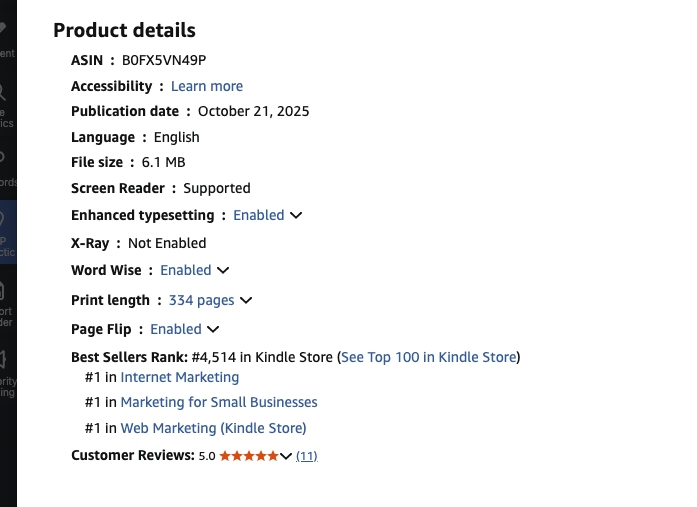
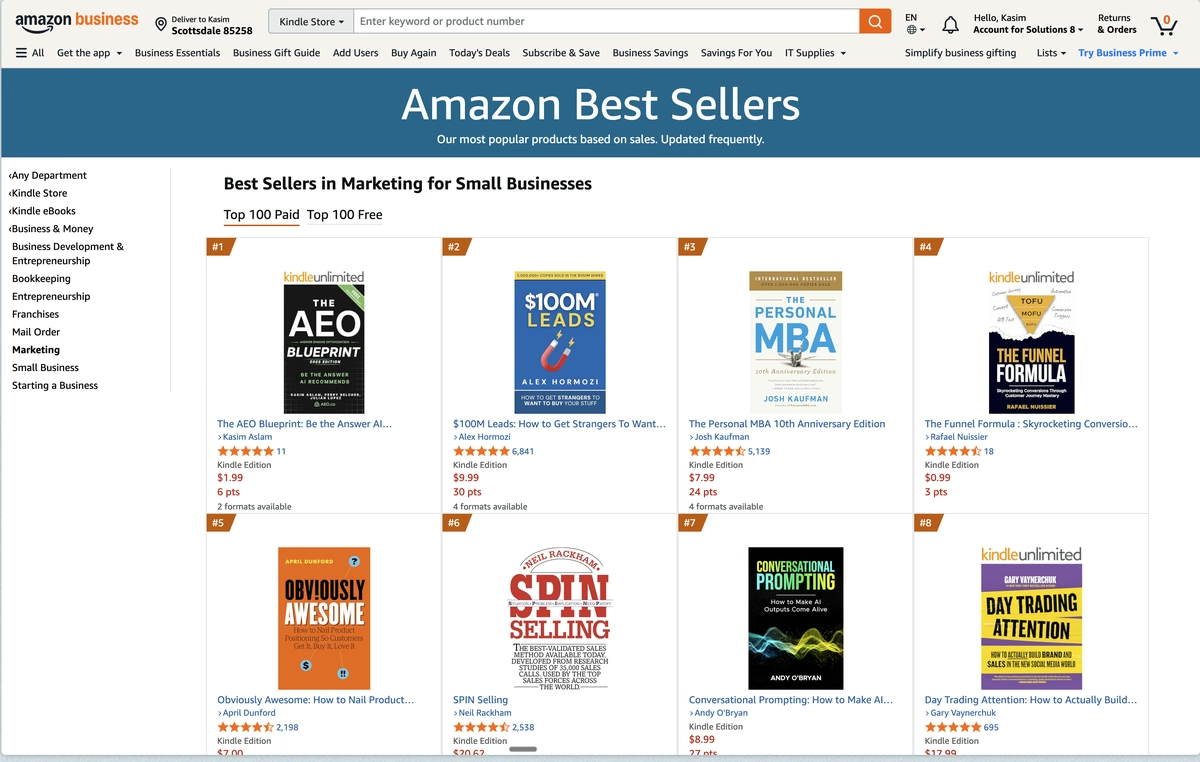
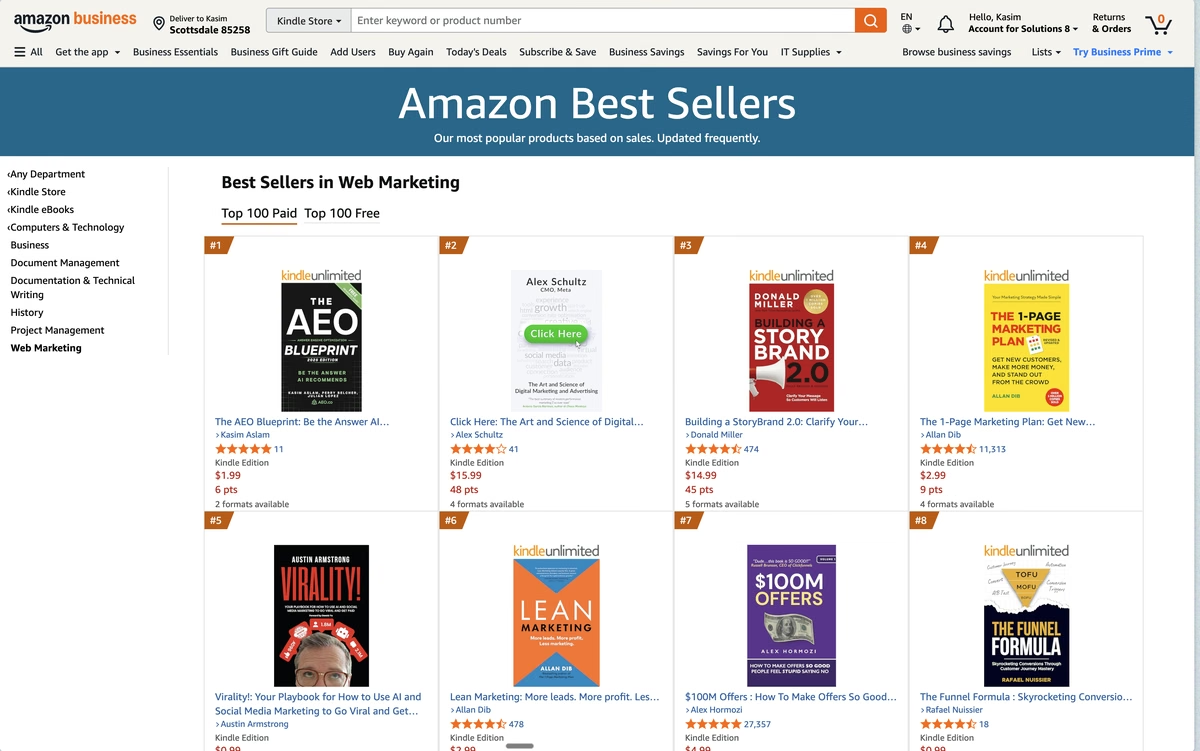
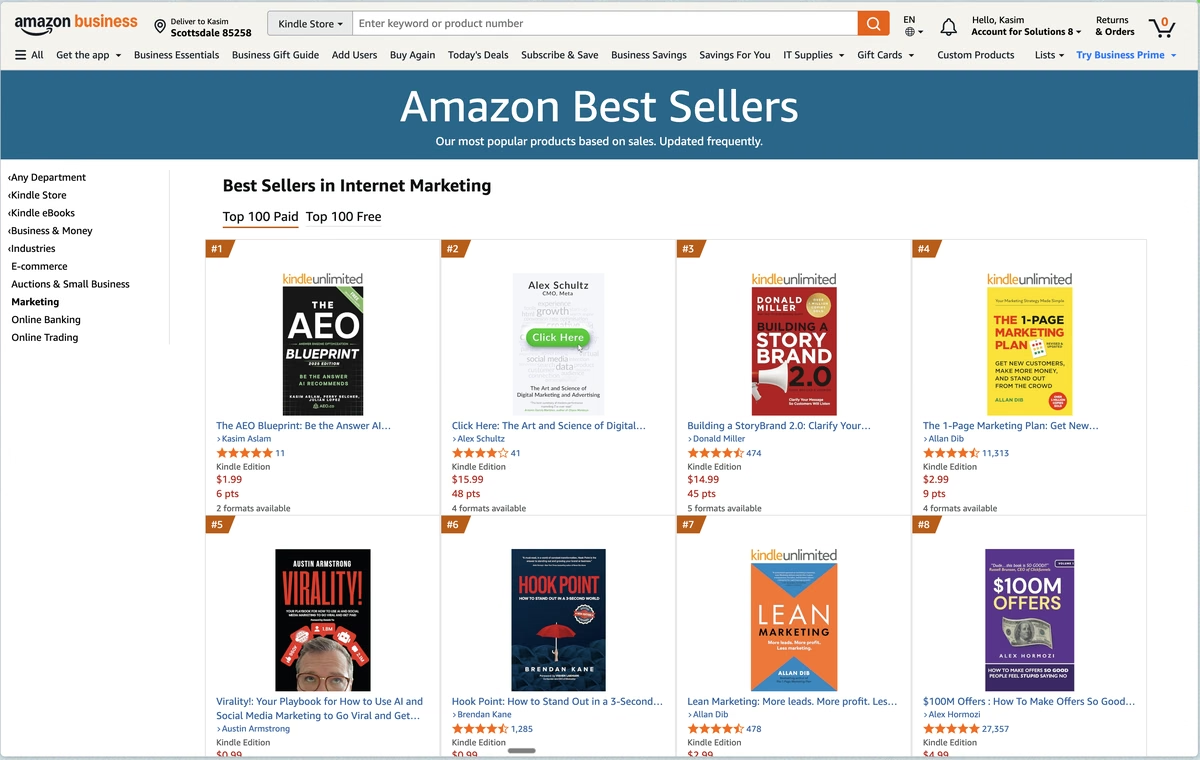
Amazon best seller in Marketing for Small Businesses, Web Marketing & Internet Marketing
At launch, The AEO Blueprint stood at the top of best-seller lists in Marketing for Small Businesses, Web Marketing, and Internet Marketing — signaling huge interest from entrepreneurs and business owners in this shift to AI-driven experiences, and validating over a year of research into how AI sources its citations.
The BRAIN Framework (Methodology)
Julian Lopez is the co-creator of The BRAIN Framework. A "first principles" approach designed to transform "invisible" websites into AI-Recommended Brands. The B.R.A.I.N. Framework has five pillars, none optional. They form a causal chain — each one depends on the one before it.
B — Brand Representation: Reach, Recognition, Reputation
Your external footprint. AI doesn't build its understanding of your brand from your About page — it builds it from what others say about you across every platform it scans. Reach (presence where AI looks), Recognition (consistent description across all surfaces), Reputation (positive sentiment from independent sources). AI spends over 66% of its retrieval budget on third-party sources before it ever visits your website. A brand with no external presence is invisible before its own site is ever considered.
R — Research: AI Visibility, Competitor Intel, Attribution
AI answer engines, retrieval behavior, and the channel landscape change on a timescale of months, not years. Research isn't a phase — it's a standing budget line. Four functions: AI Visibility Baseline (monthly scans across ChatGPT, Perplexity, Gemini, Claude, AI Mode), Competitor & Category Intelligence (who AI cites for your queries and why), Channel Monitoring (new agentic surfaces as they emerge), and Source Attribution (closing the loop from AI citation to business outcome).
A — Audience: Query Intelligence, Buying Situations
Strategy calibrated to who asks what, in what situations. AI doesn't recommend generic brands — it recommends brands that demonstrably understand and serve specific needs in specific contexts. The Audience pillar replaced Authority in B.R.A.I.N. v2.4: authority signals are distributed across Brand Representation (Reputation) and Network (NEEATT). Audience is the variable that calibrates every other pillar.
I — Indexability: Schema, Answer Architecture, Low Retrieval Cost
The technical capability to grant AI agents access to your entity data. Schema markup (Organization, Person, Product, FAQ, HowTo) tells AI what your content is instead of forcing it to infer. Answer-first content architecture ensures key answers appear in the first 30% of page text — where 44.2% of ChatGPT citations originate. Heavy JavaScript, gated content, and buried answers are AI repellents: AI operates on a computational budget and moves on if retrieval is expensive.
N — Network: Co-Citation, Entity Relationships, NEEATT
AI builds knowledge from connected entities. An isolated brand is an unknown brand to AI. Three network types: Brand Mention Network (citations across Tier 1–3 authority sources), Entity Relationship Graph (mapping the brand to its category, products, people, and competing concepts), and NEEATT authority validation (Notability, Experience, Expertise, Authoritativeness, Transparency, Trustworthiness — extending E-E-A-T with the two dimensions AI evaluates that Google doesn't surface). Brands cited across 4+ independent sources are 2.8× more likely to appear in ChatGPT.
Critical Note: The sequence matters
Fixing Indexability while Brand Representation is broken is backwards. AI forms its opinion about you externally before it ever visits your site.